The 2026 "It" Color: How to Style a Butter Yellow Wedding with Effortless Elegance
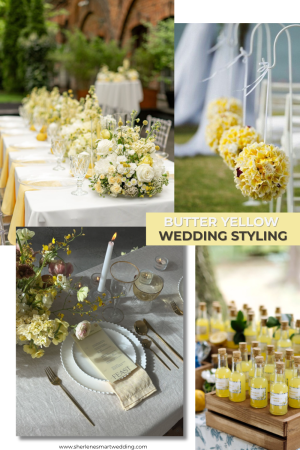
If you’ve been keeping an eye on the 2026 trend reports, you’ve probably noticed a major shift. We’re moving away from the stark whites and cool greys of the past and leaning into colors that feel, well… happy.
Butter yellow is at the very heart of this. It’s the ‘it’ color of the season because it manages to be both trendy and timeless. It’s for the bride who wants her wedding to feel like a warm hug—sophisticated, intentional, and perfectly ahead of the curve.
What Butter Yellow Actually Looks Like
One of the biggest misconceptions is that yellow has to be loud. But butter yellow isn’t that bright, punchy ‘lemon’ or the bold ‘sunshine’ yellow you might see on a summer flyer. It lives in a much softer, more sophisticated range.
I like to think of it as yellow seen through a soft-focus lens—it’s creamy, muted, and has a warmth that feels gentle rather than aggressive. In fact, in professional photography, butter yellow often reads more as a ‘glow’ or an emotion rather than just a flat color. This is exactly why it’s becoming the go-to for 2026; it gives you all that airy, modern elegance without ever feeling like it’s ‘too much’ for the room.
Why Brides Are Choosing Butter Yellow for 2026 Wedding
If I had to sum up the 2026 wedding season in one word, it would be optimism. After years of leaning into moody, dark palettes or very safe, stark neutrals, couples are finally looking for something that feels hopeful and fresh.
Butter yellow is the perfect response to that shift. It captures that sense of joy and light, but it does it without the intensity of a traditional bright yellow. It’s a softer, more thoughtful approach to color. I’ve noticed that brides are gravitating toward it because it offers this beautiful balance. It feels like a celebration, but it still maintains that refined, high-end elegance that never goes out of style. It’s not just a color choice; it’s a mood.
The Best Settings for a Butter Yellow Palette
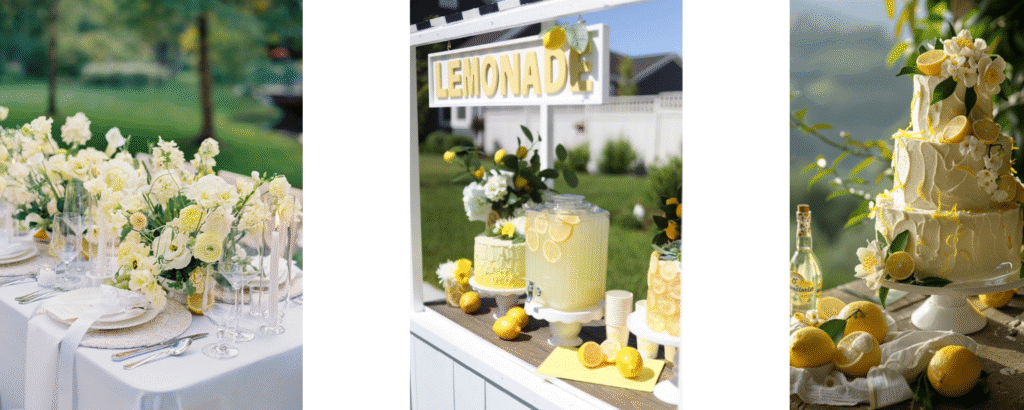
Because butter yellow is so closely tied to light, it really finds its rhythm in the spring and summer. It’s a color that loves to play with natural greenery and seasonal blooms—it doesn’t fight against the environment; it just makes everything around it look a little more luminous.
But where I think this color truly comes alive is in those ‘European-inspired’ spaces. Think of a quiet garden courtyard, a stone terrace, or a venue with that effortless Mediterranean feel. When you surround butter yellow with natural textures like aged stone and wild greenery, it stops being just a ‘color’ and starts feeling like a part of the landscape. It’s organic, romantic, and perfectly suited for a day that’s meant to feel airy and unhurried.
Getting the Balance Right: Where to Splash (and Where to Save)
The secret to making butter yellow look high-end for 2026 is all about restraint. You want it to feel like a whisper of color, not a shout. I always suggest using it in those ‘touchable’ moments—the ones your guests will see up close.
I love seeing it in:
The Florals: Think soft, creamy blooms tucked into plenty of white flowers and wild greenery. It looks like the flowers were just kissed by the sun.
The Fine Details: This is where the color really shines. Think of hand-dyed silk ribbons on your bouquet, linen napkins, or even a delicate illustration on your stationery. It’s these small, intentional moments that add warmth without overwhelming the space.
A word of advice on where to hold back:
While it’s tempting to go all-in, I usually recommend avoiding large blocks of solid yellow, like full-table linens or massive backdrops. Yellow is a powerful color; even in its softest ‘butter’ form, too much of it can start to feel a bit heavy. You also want to be mindful of your lighting—butter yellow looks its best in soft, natural light or warm candlelight. Avoid harsh, cool-toned spotlights, which can make the creaminess of the yellow look a bit flat.
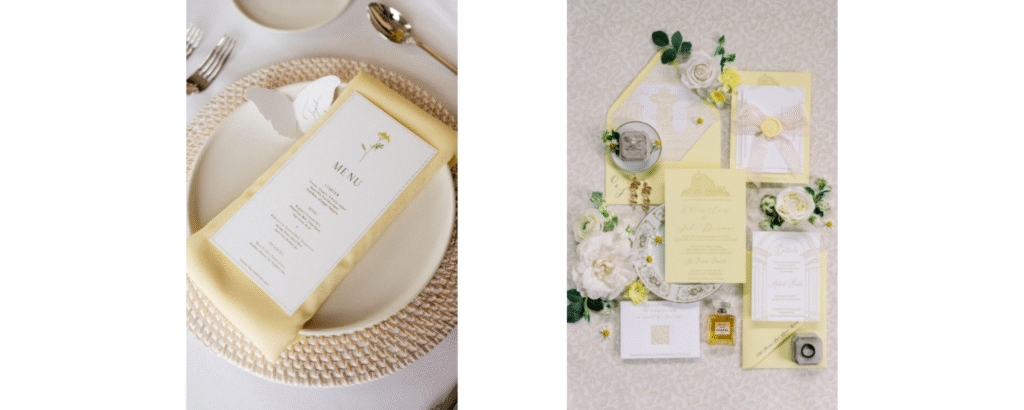
Finding the “Sweet Spot”: Butter Yellow vs. Mustard vs. Champagne
If you’re still trying to pin down exactly where butter yellow sits, it helps to look at it next to its ‘cousins.’ Usually, when couples are looking for warmth, they find themselves stuck between these three, but they each tell a very different story.
Mustard Yellow is much more saturated and earthy. It’s a gorgeous, bold choice, but it tends to feel very ‘Autumnal’ or eclectic. If you’re worried about your wedding feeling too heavy or a bit too ‘seventies,’ mustard might be a bit much for you.
Champagne, on the other hand, is the safe, classic choice. It’s elegant and understated, but it can sometimes feel a bit… quiet. If you want your palette to have a little more ‘life’ and personality without losing that high-end neutral feel, champagne might feel a bit too safe.
Butter Yellow is that perfect middle ground. It has more ‘joy’ and expression than champagne, but it’s much softer and more refined than mustard. It’s for the couple who wants that 2026 ‘solar’ glow—it’s hopeful and modern, but it never feels like it’s trying to make a loud statement.