The Mauve Evolution: Why This Romantic Classic is My 2026 Muse
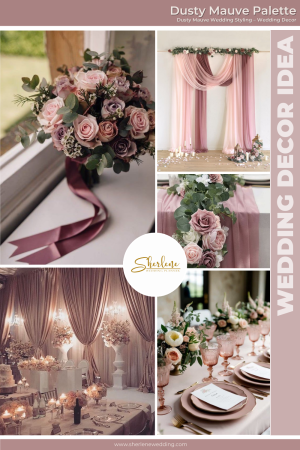
I’ve watched Mauve and Dusty Rose move through so many iterations over the years. They’ve been sweet, they’ve been bohemian, and—if I’m being honest—they’ve been overused. And yet, they remain undeniably beautiful.
What I’m seeing for 2026 isn’t a comeback; it’s a refinement. In my studio, we’re no longer simply using Mauve—we’re texturing it, grounding it, and editing it with a much firmer hand. If you look at my recent moodboards, you’ll notice a shift: the “sweetness” is gone. In its place is structure, contrast, and what I call “visual breathing room”. For me, Mauve in 2026 isn’t a pastel—it’s architectural.
Understanding the Pigment: Mauve vs. Dusty Rose
Before I start styling, I always define the undertone. It’s a common mistake to think all “dusty pinks” behave the same way. For me, it’s all about temperature control:
- Mauve (The Editorial Sister): This is greyed, smoky, and almost violet at its core. When I pair this with stone, concrete, or matte ceramics, it feels incredibly expensive and sculptural rather than delicate.
- Dusty Rose (The Emotional Anchor): This is the warmer, softer side of the palette. I use it as a muted blush with a pulse; it’s the element that prevents a room from feeling too clinical when we lean into a very modern design.
Why I’m Obsessed With Tonal Layering
When I look at the highest-performing pins on my boards, the pattern is clear: the most successful designs aren’t just using one shade. My 2026 signature is a tonal approach. I love layering every variation of mauve—from a pale lavender-grey all the way to a deep, wine-stained plum.
Instead of the predictable Mauve + White + Green, I’m reaching for:
Pale Mauve + Cocoa Mauve + Deep Plum + Warm Ivory.
This creates a visual richness that feels mature and expensive without needing to introduce high-contrast colors.
My 2026 Pairings: Beyond the Expected
While Mauve stands beautifully alone, I’m currently loving these three refined combinations for a fresh, editorial feel:
1. The Cool Modernist: Mauve + Dusty Blue
I’m seeing this pairing rise quickly, and it makes perfect sense to me. Dusty Blue balances the warmth of rose with an atmospheric coolness.
- How I style it: I love a soft blue runner paired with mauve florals and just a restrained touch of gold flatware. It feels airy, elevated, and slightly cinematic—ideal for the couple who wants romance but demands modern restraint.
2. The Grounded Earth: Mauve + Mocha + Stone
I recommend this specifically for my couples who tell me, “I want romance, but nothing girly”.
- How I style it: I use Mocha velvet ribbons and Stone-toned ceramics to anchor the palette. Against these textures, Mauve becomes earthy and grounded rather than “pretty”. I keep the greenery minimal here and let the cocoa-toned details do the heavy lifting.
3. The Luminous Shadow: Mauve + Smoky Jade
This is my wildcard for 2026. Green is the natural complement to mauve’s purple undertone, but I’m avoiding the bright sags of the past.
- How I style it: I use a muted, architectural Smoky Jade as a backdrop for deep mauve blooms. By using plenty of ivory “negative space,” the look stays editorial and modern rather than dark and heavy.
The Stylist’s Edit: How I Keep it Modern
This is where I see many palettes fail—it’s all in the execution.
Avoid Saturation Fatigue: A mauve napkin on a crisp ivory cloth is a powerful statement. A mauve napkin on a mauve tablecloth just feels heavy. I always tell my clients: white space is your friend.
Focus on the “Tooth”: These tones demand texture, or they can feel flat. I look for fabrics with “tooth”—raw silk, heavy linen, matte velvet, and handmade paper.
Elevate Through Stationery: This is one of my favorite details from my recent boards. I love using vellum overlays and wax seals in a deep, dusty plum to introduce the color with restraint before the guests even enter the room. That, to me, is the definition of quiet luxury.
Final Thoughts
I don’t believe Mauve and Dusty Rose are disappearing; they are simply demanding more intention. For 2026, I’m not chasing a brand-new color—I’m refining a classic.
The secret isn’t about bold contrast; it’s about tonal restraint, neutral grounding, and visual silence. When I style these with confidence, they become what they were always meant to be: not sweet or nostalgic, but sculptural and entirely modern.